
SERVICES
Technology
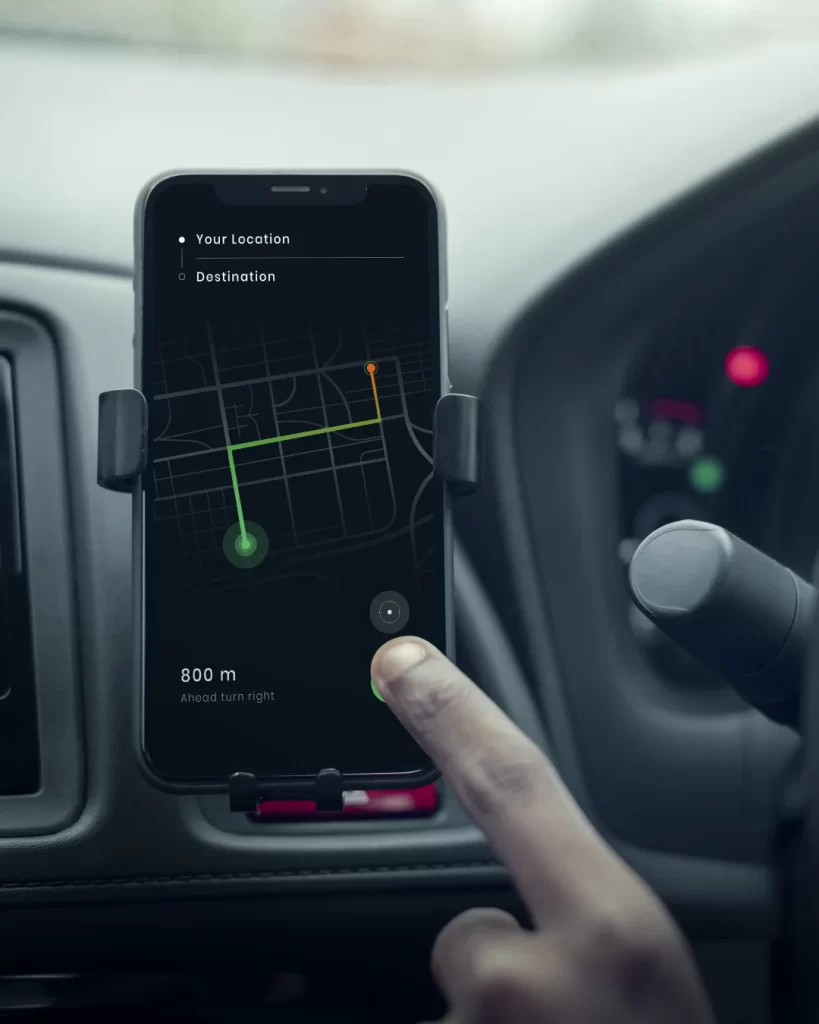
Telematics
Refers to the integration of telecommunications and informatics, particularly as it applies to technology used in vehicles and fleet management. It involves the use of GPS, sensors, wireless communication, and data analytics to collect, transmit, and process information about vehicle operation, location, driver behavior, and environmental factors. Here’s a closer look at telematics, its components, and applications:
- GPS and Location Tracking: Telematics systems use GPS technology to track the real-time location of vehicles, enabling mapping, routing, and geo-fencing.
- Wireless Communication: Cellular or satellite networks transmit data to centralized servers, allowing for real-time monitoring and control.
- Onboard Diagnostics (OBD): Most modern vehicles have OBD systems that monitor various aspects of vehicle performance, such as engine health, fuel efficiency, and diagnostics.
Asset Tracking
Asset tracking is the process of monitoring the location, status, and details of physical assets within an organization. It typically involves using technology such as barcodes, RFID tags, GPS, or IoT devices to track assets in real time or on a schedule. Asset tracking helps businesses know where their valuable resources—such as equipment, vehicles, tools, and inventory—are at any given time, which streamlines operations, reduces loss, and enhances efficiency.
- Cost Savings: Prevents unnecessary purchases and helps optimize asset utilization.
- Enhanced Operational Efficiency: Improves workflows by ensuring assets are available when needed and eliminates time spent searching for misplaced items.
- Regulatory Compliance: Ensures records are maintained for audits, especially in regulated industries like healthcare, logistics, and manufacturing.
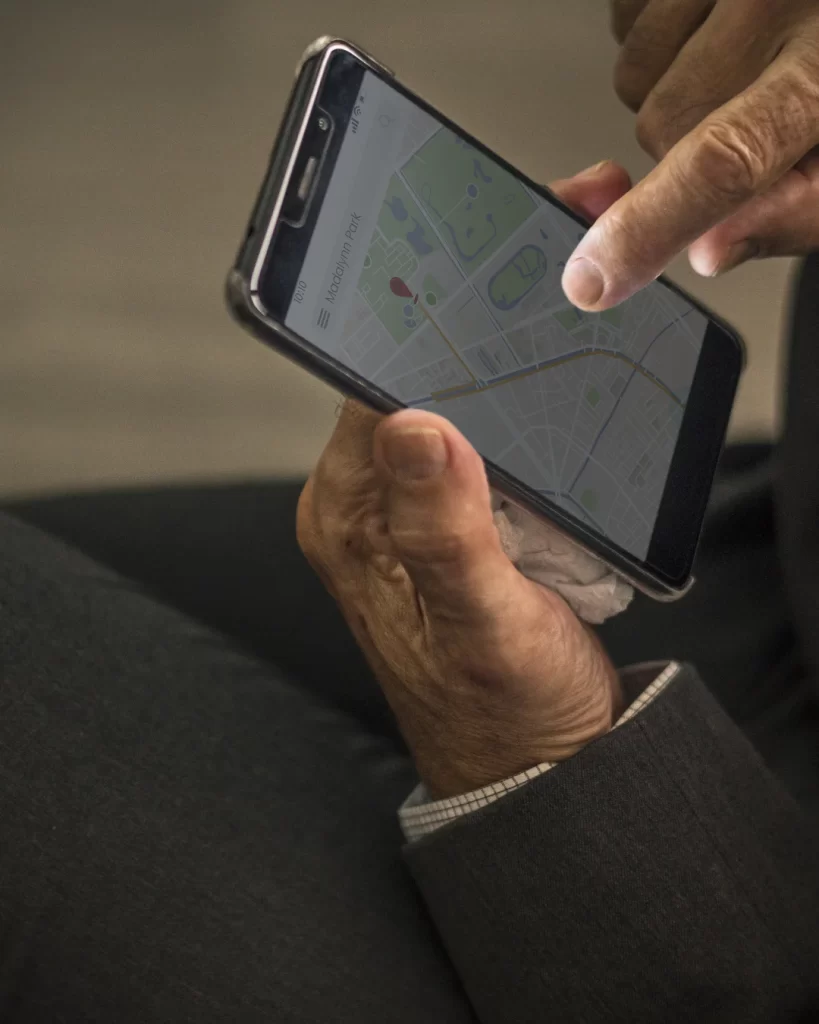
International Business Consulting

International Business Consulting (IBC) is a specialized field where consultants help businesses navigate and succeed in the global marketplace. This involves providing expert advice on expanding, managing, and optimizing operations across different countries and regions.
- Market Entry Expertise: Consultants provide insights into foreign markets, helping companies choose the most effective entry strategies, such as partnerships, joint ventures, or acquisitions, minimizing risk and maximizing opportunities.
- Cultural Adaptation: IBC consultants guide businesses in understanding and respecting cultural differences, which can improve relationships with local customers, employees, and partners, and enhance brand reputation.
Anti-Pollution Control Systems
Anti-Pollution Control Systems are technologies, methods, or devices designed to reduce, manage, or eliminate the release of harmful pollutants into the environment. These systems are implemented across various sectors, including industrial facilities, vehicles, power plants, and residential areas, to comply with environmental regulations and promote public health.
- Human Health: Reduces the prevalence of respiratory and cardiovascular diseases caused by pollutants.
- Environmental Protection: Minimizes damage to ecosystems by reducing harmful emissions and pollutants.
- Sustainability: Promotes responsible resource use and reduces ecological footprints.